info@peruvianandes.com

+51 943077736

EN
ES
DE
Intermediate Level Climbs

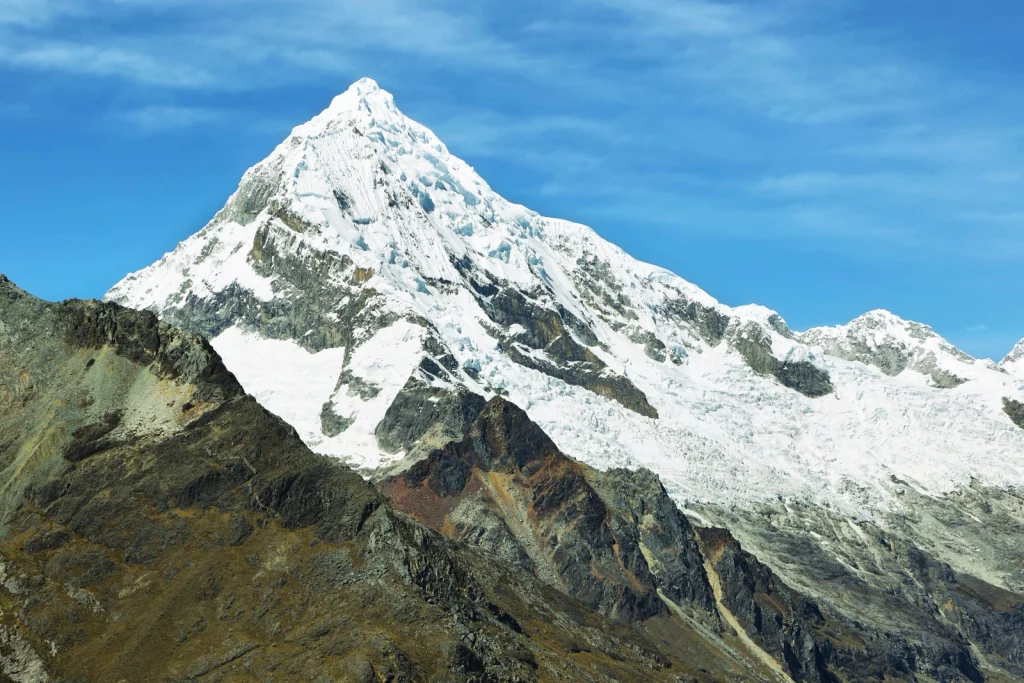
Looking for some challenging climbing or maybe a 6000m (20,000ft) peak?

If you have some previous climbing experience on some steep snow and ice – these peaks are considered as being intermediate level climbs

Climb one of the peaks or combine two or more for an extended Cordillera Blanca climbing adventure

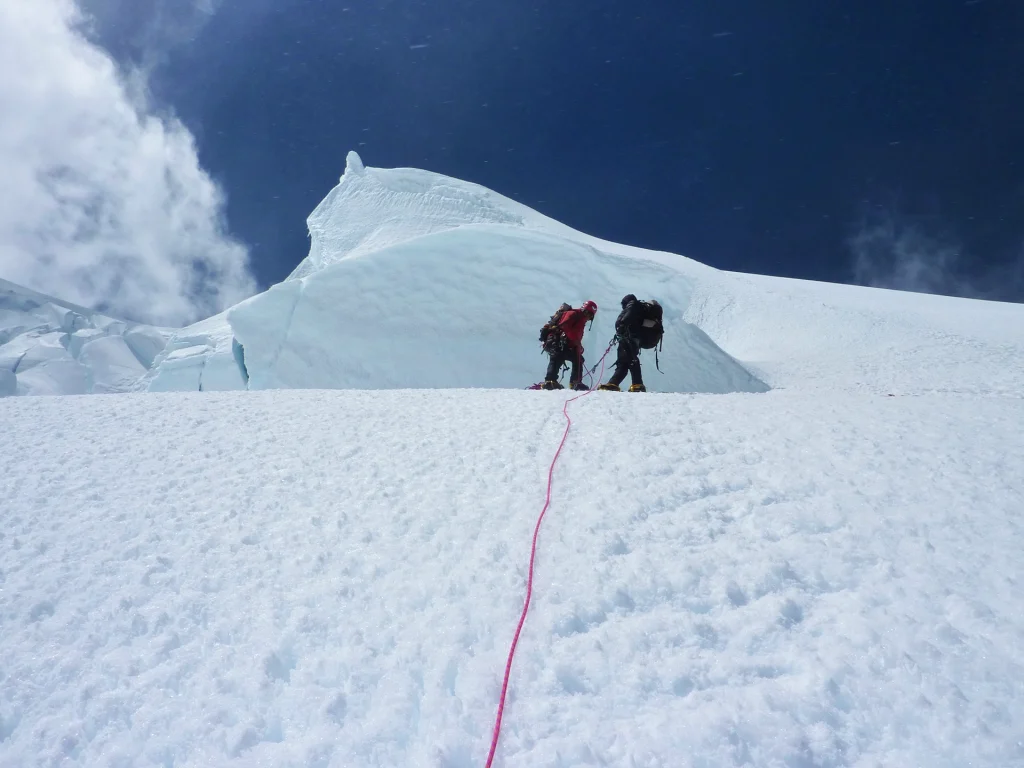
All of these peaks have sections of technical & steep climbing and you should have some previous climbing experience on steep ice and be confident with the basic techniques with crampons and technical ice picks, some steep ice climbing, belayed climbing and descent by rappel and be familiar with use of anchors

These peaks are NOT suitable for beginner climbers

Peaks described as intermediate climbs can also be good options for strong novice climbers who have received some instruction & have good basic climbing techniques – check with us for advice as to which peaks may be suitable for your level of climbing experience

All the peaks have at least one camp up on the mountain. It is necessary to carry the tents, climbing equipment, food, sleeping bags etc up to the mountain camps. Our crew carry the tents, ropes, cooking equipment, fuel and food, but YOU need to carry your personal equipment, sleeping bag, mattress, clothes & climbing gear and need to have a backpack large enough for this. You can request to hire a private porter if you do not wish to carry your own equipment

YANAPACCHA

Duration: 2 days
Suitable for: Intermediate
Climbing Grade: AD
Summit Altitude: 5460m / 17913ft

TOCLLARAJU

Duration: 4 days
Suitable for: Intermediate
Climbing Grade: D
Summit Altitude: 6034m / 19796ft

CHOPICALQUI

Duration: 5 days
Suitable for: Intermediate / Technical
Climbing Grade: D+
Summit Altitude: 6354m / 20846ft

COPA

Duration: 4 or 5 days
Suitable for: Intermediate
Climbing Grade: D
Summit Altitude: 6188m / 20302ft

Multiple Peaks Climbing Expeditions

Combine climbing two or more peaks situated in the same location.

The first climb is a non-technical ascent of a 5000m peak which is good acclimatisation and extra fitness for the second, more challenging 6000m / 20000ft peak

Note beginner climbers or non-climbers

The first peak in the multiple peaks climbing trips is generally a beginner level climb (excluding Yanapaccha) – beginner climbers can climb the first peak with their friends / partners and stay in base camp while the other more experienced climbers tackle the more difficult final climb. Non-climbers can also go to base camp with their friends and stay at camp, relax and read some good books or we can arrange some hiking – just ask us what can be arranged for you so that you can enjoy a trip with your friends / partner.

TOCLLARAJU + ISHINCA

Duration: 5 or 6 days
Suitable for: Intermediate
Peaks: Ishinca + Tocllaraju
Max Climbing Grade: D (Tocllaraju)
Max Summit Altitude: 6034m / 19796ft Tocllaraju

ISHINCA VALLEY 3 PEAKS CLIMBING

Duration:  7 days
Suitable for: Intermediate
Peaks: Urus + Ishinca + Tocllaraju
Max Climbing Grade: D (Tocllaraju)
Max Summit Altitude: 6034m / 19796ft Tocllaraju

PISCO + YANAPACCHA

Duration: 5 days
Suitable for: Intermediate
Peaks: Pisco + Yanapaccha
Max Climbing Grade: AD (Yanapaccha)
Max Summit Altitude: 5753m / 18875ft (Pisco)

PISCO + CHOPICALQUI

Duration: 9 days
Suitable for: Intermediate / Technical
Peaks: Pisco + Chopicalqui
Max Climbing Grade: D+ (Chopicalqui)
Max Summit Altitude: 6354m / 20846ft (Chopicalqui)

YANAPACCHA + CHOPICALQUI

Duration: 7 days
Suitable for: Intermediate / Technical
Peaks: Yanapaccha + Chopicalqui
Max Climbing Grade: D+ (Chopicalqui)
Max Summit Altitude: 6354m / 20846ft (Chopicalqui)

Best Time:

The best time for climbing the intermediate level peaks varies depending on which peak you are attempting, the degree of technical difficulty & altitude

Generally the best times are:

  • Yanapaccha – late May / early June to early September
  • Tocllaraju – mid June to late August / early September
  • Chopicalqui – late June to late August


This is the period when the weather is generally more settled and with more stable and safer snow conditions on these peaks. Although, being in the mountains we can never guarantee good weather and sudden changes in weather conditions or storms on the high mountains are always possible any time of the year.

Note that climatic conditions in the Andes are changing and are less predictable than previously. You need to be prepared that there may be bad weather or unsafe snow conditions at any time, even within the recommended time period for climbing

Acclimatisation:

It is important that you are well acclimatised to the altitude before attempting to climb any peaks in the Cordillera Blanca. The climbing at altitude is physically demanding and it is particularly important to be well acclimatised to the altitude for a 6000m (20,000ft) peak. Without sufficient acclimatisation the chances of becoming ill with altitude issues on the mountain are high, or you may experience a complete loss of energy and be unable to continue with the climbing.

Altitude symptoms vary but can include headache, nausea or vomiting, breathlessness, lack of appetite, stomach problems, extreme lethargy and lack of energy, inability to sleep  from mild to severe in extent. In extreme cases pulmonary or cerebral oedema are possible

We always recommend that our  intermediate peak or 6000m peak clients do a 3 day trek minimum for acclimatisation or a series of day hikes up to altitudes around 4500m followed by another climb on a 5000m non-technical peak for additional acclimatisation and strength before the demanding intermediate level climb and therefore can enjoy your climbing and have maximum opportunity to achieve your goals

Client to Guide Ratio:

for intermediate level peaks:

  • maximum 2 clients per guide (except Yanapaccha where there can be 3 clients per guide with some groups)
  • the lead guide is UIAGM international mountain guide
  • assistant guides are certified Aspirant Guides, members of the Peruvian Mountain Guides Association

Climbing Grades:

AD (reasonably hard) – Routes with a fair amount of difficult climbing – snow & ice experience required

D (hard) – A reasonable amount of serious climbs of snow & ice with pitches up to severe standards

Climb Duration:

Is the number of days from departing Huaraz to returning to Huaraz. Travel days and acclimatisation days are extra

Climbing Equipment:

Our climbing guides provide group rope, snow stakes and ice screws. You need to provide your own personal climbing equipment. It is available for hire in Huaraz and we can help organise gear hire for you

A complete gear list is provided when you inquire about climbing trips

For climbing intermediate level peaks, typically the climbing gear you need will be:

  • helmet 
  • plastic climbing boots
  • automatic crampons plus snow anti blocks
  • 1 x ice screw 16cm (for personal use – safety) 
  • ACT – XP belay device 
  • ice axes – 2 x technical ice picks
  • harness 
  • karabiners 
  • prussics 
  • daisy chain
  • head torch
  • suitable clothing (details in gear list)

For more climbing information, prices and personalised advice